In this blog

Need a design partner that scales with you?
See exactly how Design Shifu can become your on-demand design team. Book a free demo call.
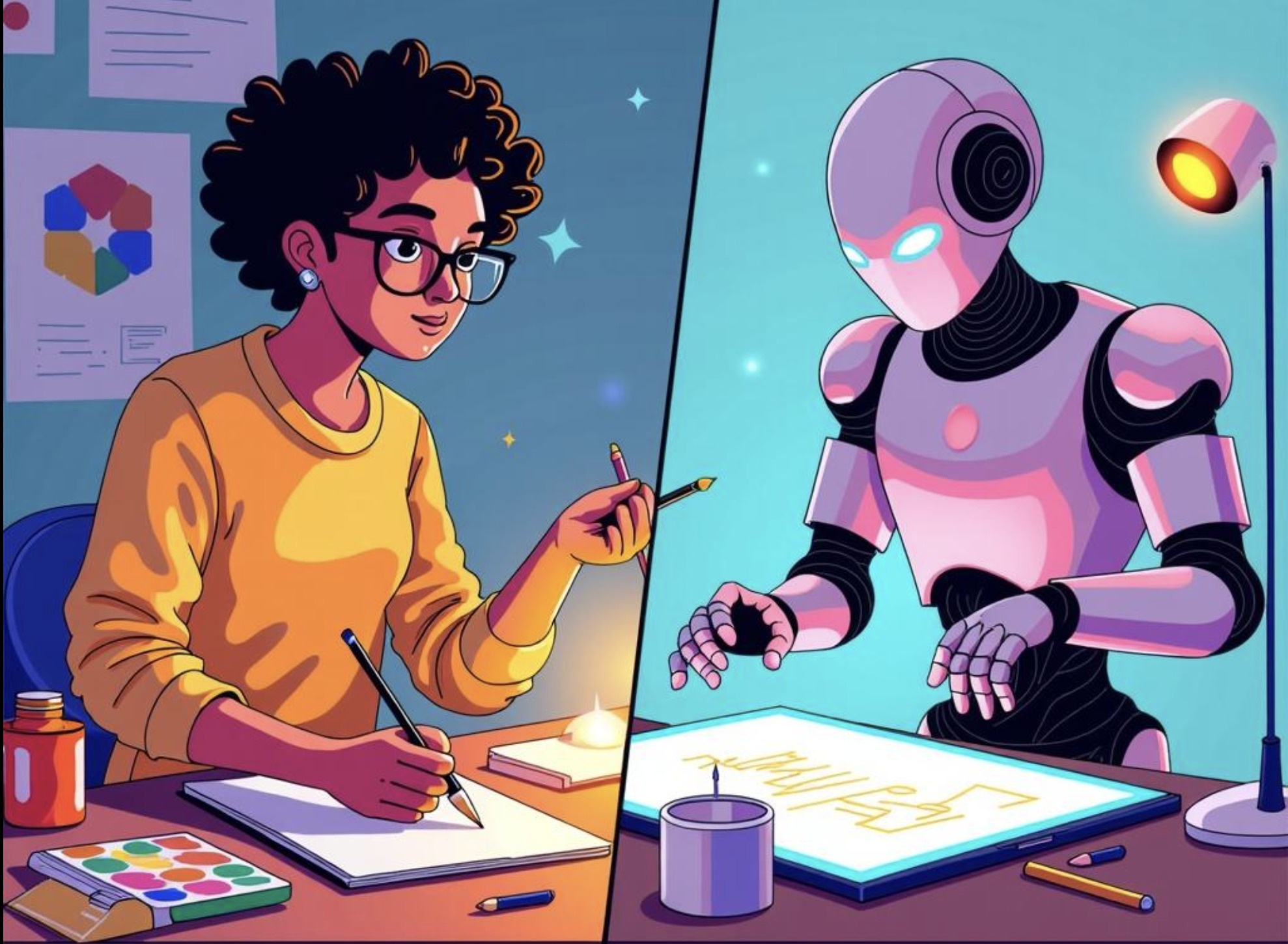
AI design tools are fast and cheap. Human designers are strategic and original. Here is the real data on what each does better and when to use which.
From what we’ve seen working with fast-growing teams, the biggest wins don’t come from choosing AI or humans. They come from using both AI for speed, and human designers for direction.
The Design Industry Is Changing Fast
The global graphic design market was worth $62.79 billion in 2024. That number is already big. But one segment inside it is growing much faster than everything else.
Generative AI in design was worth $5.68 billion in 2024. By 2035, it is expected to reach $98.66 billion, a growth rate of nearly 30% per year. (Source: Market Research Future)
That kind of growth means AI is not a trend. It is reshaping how design work gets done. But reshaping is not the same as replacing. Here is what the data actually shows.
AI vs Human Design: What AI Design Tools Actually Do
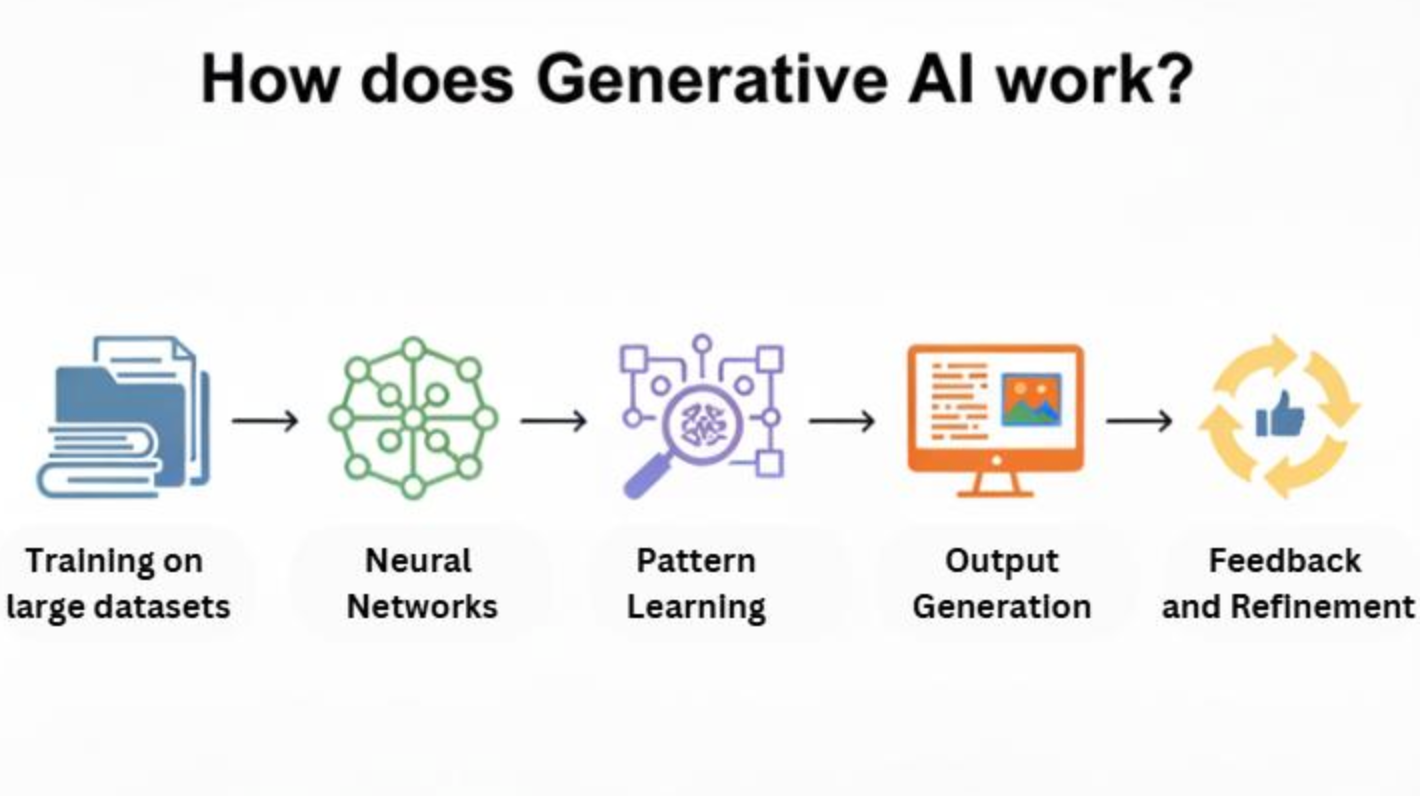
AI design tools use machine learning to generate images, layouts, logos, copy, and prototypes from a text prompt. You describe what you want. The tool produces it in seconds.
The most-used tools right now, and their market share among design teams:
If you're exploring practical use cases, here are some infographic design ideas for small businesses that show how visuals can simplify complex information.
Adobe Firefly is the clear leader. It has generated 22 billion assets as of April 2025, holds 29% market share, and 70% of its users engage with it every week.
- Adobe Firefly — 29% market share; generated 22 billion assets by April 2025
- Midjourney — 19% market share; preferred by artists and illustrators for quality
- Canva AI — 16% market share; best for quick social media and marketing visuals
- DALL-E — 14% market share; made by OpenAI, integrated into ChatGPT
These numbers tell you AI tools are not something designers are just testing. They are part of the daily workflow.
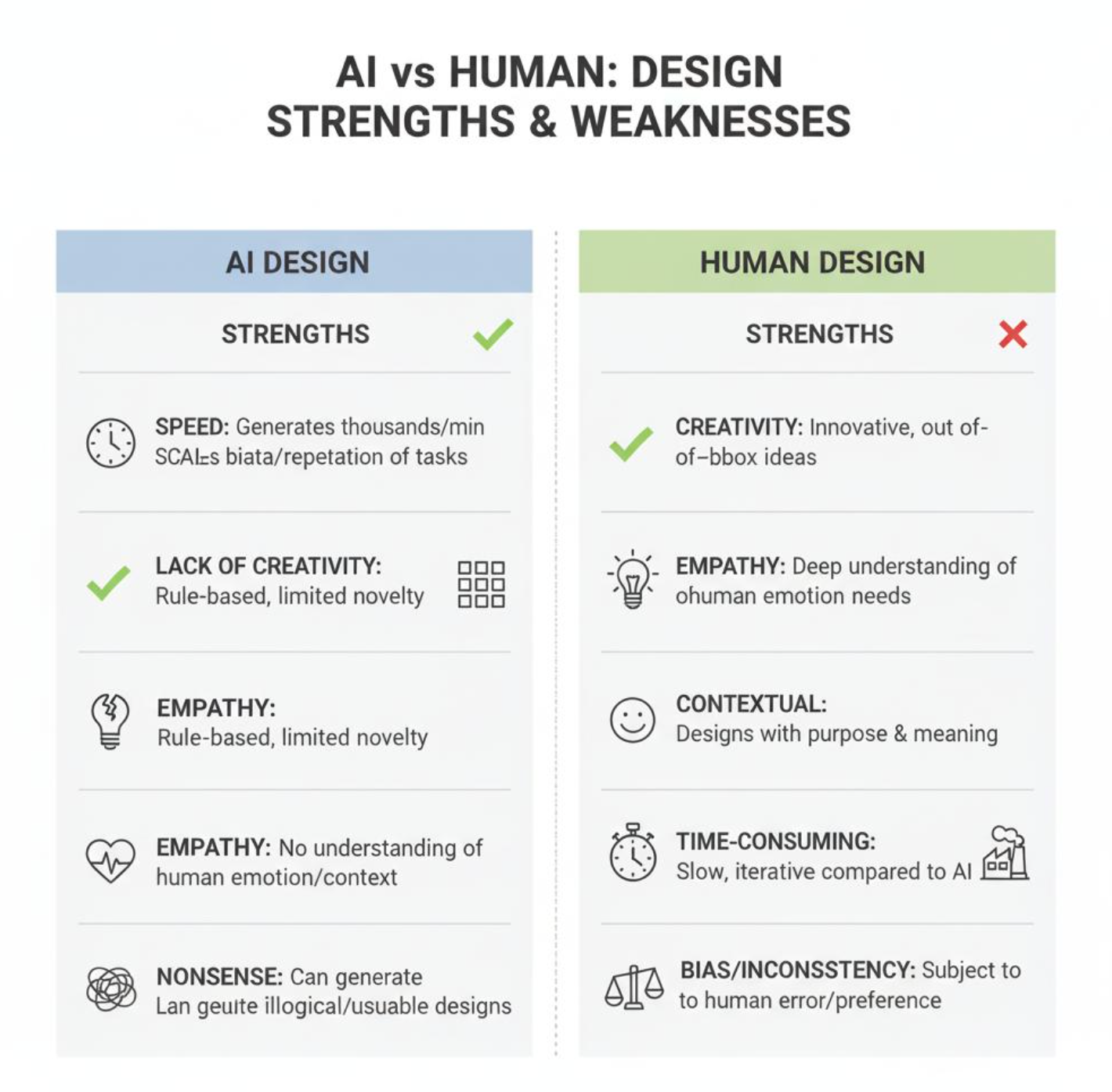
5 Things AI Does Better Than Human Designers
Speed
- AI can produce a logo concept in under 10 minutes. A human designer typically takes days to deliver even 2–3 initial concepts.
- According to design industry research, 47.5% of designers already save 4 or more hours every week by using AI in their workflow.
Volume
- Need 750 unique images for a campaign? One person using AI tools completed that in 11.5 hours saving 90% of the time it would have taken a human team.
- We’ve seen teams generate hundreds of variations using AI but without a clear strategy, most of those designs never get used.
Cost
- AI automates repetitive tasks, with studies showing designers can reduce time spent on routine work by up to 30–40% and improve turnaround speed by over 60%.
Prototyping
- Tools like Visily and Framer cut wireframing and prototyping time by 70–90%. For startups, this means testing ideas before spending money on development.
Early-stage ideation
- 84% of designers use AI during the exploration phase. It is ideal for generating many options fast, which is exactly what early-stage work needs.
5 Things Human Designers Still Do Better
1. Brand strategy
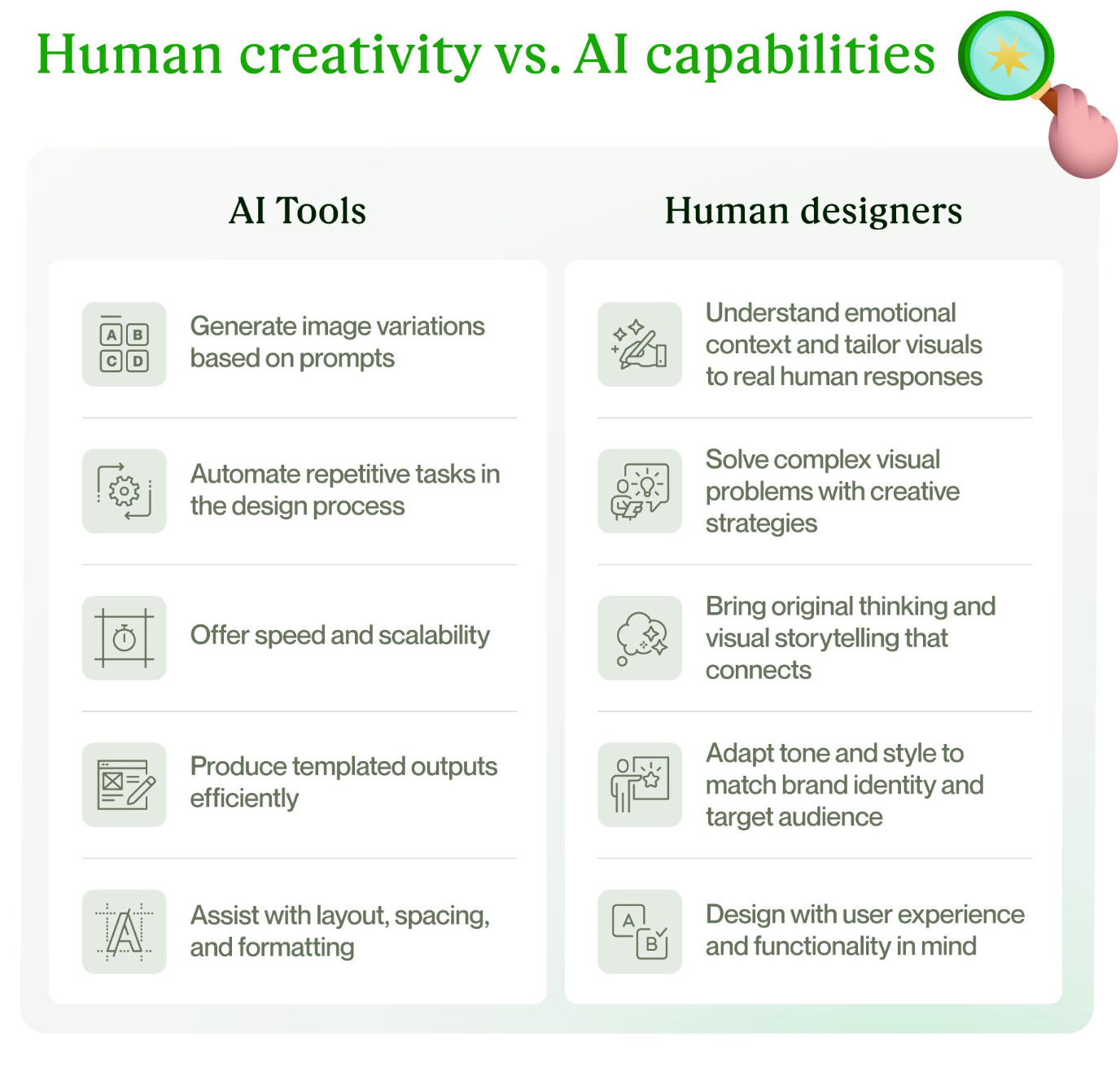
- AI produces visuals. Human designers produce meaning. They embed color psychology, audience perception, cultural references, and storytelling into every decision. AI cannot deeply interpret what a brand stands for.
- If you're unsure how to evaluate design quality, this design review checklist for non designers can help you make better decisions.
- This is where most businesses struggle. They have tools, but not direction. That’s the gap human designers actually fill.
2. Emotional connection
- AI lacks emotional intelligence. A human designer knows that a logo for a children's hospital needs to feel safe and warm, not just look clean. That understanding cannot come from training data. (Arch Partnership)
3. Original thinking
- AI remixes patterns it has already seen. It cannot think outside of them. The most defining brand identities, the ones that create new categories come from human creative leaps.
4. The final polish
- The State of AI in Design 2025 puts it plainly: "That last 40% -the nuance, quality, and polish still belongs to human hands." AI gets you most of the way. Human judgment is what separates good from great.
5. Adaptability
- When a client changes direction, a human designer pivots. AI follows fixed inputs. It cannot read the room, interpret tone, or push back with a better idea when the brief is unclear.
What 89% of Designers Actually Think
The 2025 State of AI in Design report, a survey of 400+ designers with input from leaders at Stripe, Notion, and Anthropic found clear patterns in how AI fits into real design work. (Foundation Capital / Designer Fund)
- 89% say AI improved their workflow in some way
- 96% learned AI through self-teaching, not formal training
- 84% use AI during research and ideation, the highest stage
Designers are not being replaced by AI. They are adding it to their toolkit mostly at the start of a project, not the end. The final output still passes through human hands before it ships.
What Is Happening to Design Jobs?
This is where it gets complicated. The answer is not simple, it depends on what kind of design work you do.
The U.S. Bureau of Labor Statistics projects 2% job growth for graphic designers between 2024 and 2034. That is slower than average, but it is still growing. (U.S. Bureau of Labor Statistics)
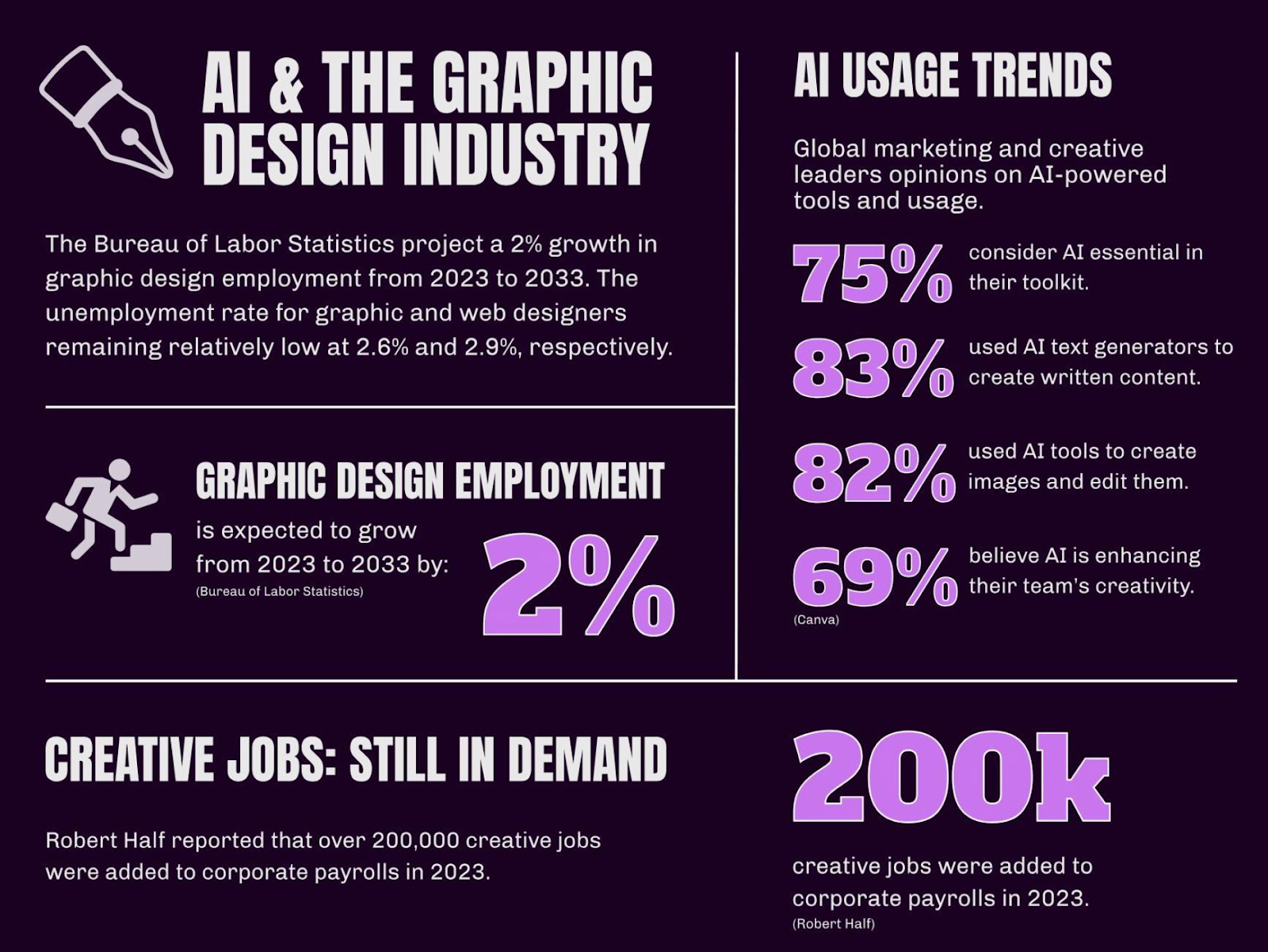
The World Economic Forum's 2025 report ranked graphic design as the 11th fastest declining job based on employer predictions, but this refers mostly to routine, template-based roles. (Design Week)
The widely shared conclusion: "Designers who use AI may replace those who don't." Design jobs are not vanishing, they are changing shape.
Who Should Use AI And Who Should Hire a Human?
This is the commercial question. Here is a clear, practical guide.
Use AI design tools if you:
1. Have a tight budget
- Startups, solopreneurs, and early-stage brands get real value from Canva AI, Firefly, or Midjourney at a fraction of agency cost.
2. Need it fast
- Social posts, ad creatives, quick mockups, AI turns these around in minutes, not days.
3. Need high volume
- Batch image sets, template variants, email headers and AI scales where humans can't.
4. Are in the ideation phase
- Generate 20 directions before committing to one. That is where AI adds the most value with the least risk.
Hire a human designer if you:
1. Are building a lasting brand identity
- Strategy, color psychology, audience research, and storytelling cannot be outsourced to a prompt.
2. Need a legally ownable logo
- AI logos often lack originality. Unique, defensible logos still come from human designers.
3. Are designing a product experience
- UX/UI with real users and real stakes requires empathy, testing, and iteration that AI cannot provide.
4. Need cultural depth or emotional nuance
- AI lacks cultural context and lived experience. If that gap shows in your design, it will show to your users too.
- Not sure if it's the right time to outsource? These 7 signs your business needs to outsource graphic design will help you decide.
The smartest move in 2026: Use AI for drafts and volume. Use a human designer for strategy, polish, and anything that needs to feel authentically yours. These two approaches are not in competition, they are complements. At Design Shifu, we’ve seen that the best-performing brands don’t rely on tools alone. They combine AI efficiency with human creativity to produce work that not only looks good, but drives results.
Conclusion
AI design tools are genuinely useful. They are fast, affordable, and getting better every year. But they are not creative in the way humans are. They do not understand your customers, your culture, or your brand the way a skilled designer does.
The generative AI design market is projected to grow nearly 17× by 2035. That tells you AI is becoming a permanent part of the design process, not a one-time experiment. If you're planning to scale design output while maintaining quality, explore how unlimited graphic design services can support your workflow.
The designers who will thrive are the ones who treat AI as a tool, not a threat. And the businesses that will win are the ones that know when to use AI, and when to call a human.
FAQ
What is the difference between AI design and human design?
AI design uses algorithms to generate visuals quickly based on prompts, while human design involves strategy, creativity, and emotional understanding. AI focuses on speed and efficiency, whereas humans focus on originality and meaning.
Can AI replace human designers?
No. AI can automate repetitive tasks and assist in ideation, but it cannot replace human creativity, strategic thinking, and emotional intelligence required for branding and user experience design.
When should you use AI for design?
AI is best used for: Quick mockups and drafts, High-volume design needs, Social media graphics and Early-stage ideation
When should you hire a human designer?
You should hire a human designer when: Building a brand identity Designing user experiences (UX/UI), Creating emotionally driven designs and Needing original and legally safe designs
Are AI-generated designs original?
Not entirely. AI generates designs based on existing data and patterns, which can lead to similarities with existing work. Human designers create more unique and original outputs.
What are the best AI design tools in 2026?
Some of the most popular AI design tools include: Adobe Firefly, Midjourney, Canva AI and DALL·E
Is AI design cheaper than hiring a designer?
Yes. AI tools are significantly cheaper and often subscription-based, while human designers require higher investment. However, quality and strategic value differ.
How are design jobs changing due to AI?
Routine and template-based design jobs are declining, while roles focused on strategy, UX/UI, and creative direction are growing.
Can businesses use both AI and human designers together?
Yes. The most effective approach is to use AI for speed and volume, and human designers for strategy, refinement, and final output.
About the author

Sameena is an Organic Growth Specialist and Content Writer at Design Shifu, crafting SEO-driven content that boosts visibility, builds brand authority, and drives meaningful organic growth.
.webp)